Rotate image (square matrix) by 90 deg
Tue, 06 May 2025
In the IPv4 addressing format, The number of networks allowed under the Class C address are:
A) 214 B) 27 C) 221 D) 224
This Question is asked in GATE-2012 (CS) Exam
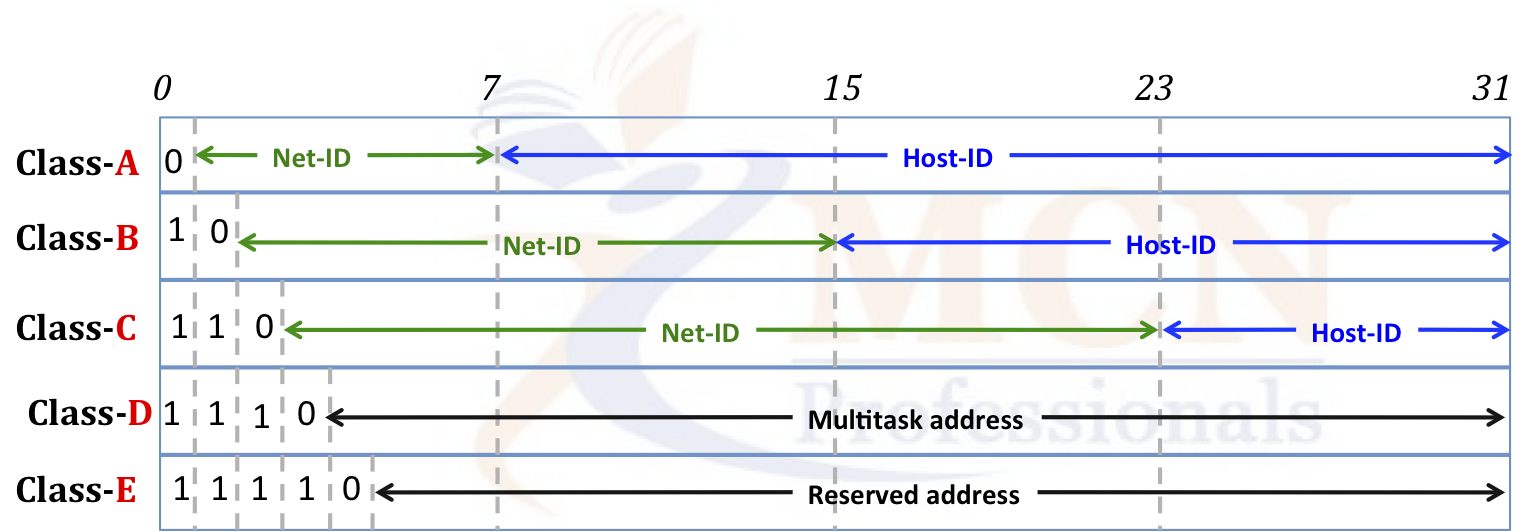
This portion of the IP address is used to determine which network a device belongs to. It's like the area code for a phone number, identifying a general region of the network.
This portion of the IP address uniquely identifies a specific device on a given network. It's like the phone number within the area code, identifying a particular phone.
Subnetting allows for creating multiple smaller networks within a larger network. In this case, the Network ID represents the larger network, and a subnet ID is used to further subdivide it.
Example:
Consider the IP address 192.168.1.100 with a subnet mask of 255.255.255.0:
Tue, 06 May 2025
Tue, 06 May 2025
Tue, 06 May 2025

Prepare to ace your coding and system design interviews with our comprehensive resources and expert guidance! Ritambhara Technologies offers a curated collection of coding challenges, system design tutorials, mock interviews, and behavioral tips to help you stand out. Whether you're targeting FAANG companies, startups, or tech giants, we provide tailored strategies and in-depth solutions to boost your confidence and sharpen your skills. Explore, practice, and succeed!
Leave a comment